Dance to the End of Love Leonard Cohen Intimate Masterpiece
- 1.
The Haunting Origins of "Dance Me to the End of Love"
- 2.
Musical Architecture: How the Song Builds Its Emotional Power
- 3.
Lyrical Deep Dive: Every Line Tells a Story
- 4.
Cultural Impact: From Coffeehouses to Cat Videos
- 5.
The Live Experience: Cohen's Performances Through the Years
- 6.
Cover Versions: Who Nailed It and Who Missed the Mark
- 7.
The Song's Place in Cohen's Broader Catalog
- 8.
Why This Song Resonates Across Generations
- 9.
The Production Details That Make It Shine
- 10.
Where to Explore Next in Cohen's Universe
Table of Contents
dance to the end of love leonard cohen
The Haunting Origins of "Dance Me to the End of Love"
So here's the thing about dance to the end of love Leonard Cohen—it ain't just a love song. Nope, this tune's got some serious historical weight behind it. Leonard wrote it after learnin' about the string quartets that played at Auschwitz while prisoners were marched to their deaths. Heavy stuff, right? But that's Cohen for ya—always findin' beauty in the darkest corners. The "burning violin" ain't just a poetic image; it's a metaphor for art persistin' even in the face of absolute horror. When you really sit with the lyrics and let yourself dance to the end of love Leonard Cohen intended, you're not just movin' to a beat—you're participatin' in this weird, beautiful act of remembrance. It's like Leonard's sayin', "Yeah, the world's messed up, but we can still find grace in the chaos." And honestly? That's the kind of wisdom that makes you wanna spin your partner around until you're both dizzy with meaning.
Musical Architecture: How the Song Builds Its Emotional Power
Let's break it down, shall we? The arrangement on dance to the end of love Leonard Cohen is deceptively simple—just Cohen's gravelly baritone, some gentle acoustic guitar, and that haunting violin that weaves through the whole thing like a ghost. But don't let the simplicity fool ya. There's a reason this song builds so beautifully. It starts intimate, almost whispered, like Cohen's tellin' you a secret he's been carryin' for years. Then, as the verses progress, the instrumentation swells, pullin' you deeper into this emotional vortex. By the time you reach the final chorus, you're not just listenin' anymore—you're fully immersed, ready to dance to the end of love Leonard Cohen crafted with such meticulous care. The production, handled by John Lissauer, wraps everything in this warm, analog glow that makes you feel like you're listenin' on a vintage record player in some dimly lit Parisian café. It's timeless, man. Absolutely timeless.
Lyrical Deep Dive: Every Line Tells a Story
Now, let's get into the meat of it—the lyrics. When Cohen sings "Dance me to the wedding now, dance me on through," he's not just talkin' about some random celebration. He's invitin' us to witness the full cycle of love, from its joyful beginnings to its inevitable end. Each verse adds another layer: "Dance me to the children who are asking to be born" speaks to legacy and continuity, while "Dance me through the panic 'til I'm gathered safely in" acknowledges the fear and uncertainty that comes with deep connection. The genius of dance to the end of love Leonard Cohen lies in how it balances these heavy themes with this almost celebratory tone. It's like he's sayin', "Yeah, love is terrifying and beautiful and painful and wonderful—all at once." And when you let yourself really feel those words, you can't help but move with them, lettin' the rhythm carry you through your own emotional landscape.
Cultural Impact: From Coffeehouses to Cat Videos
You know a song's reached legendary status when it starts poppin' up everywhere—from indie film soundtracks to TikTok videos of cats waltzin' around living rooms. Dance to the end of love Leonard Cohen has become one of those cultural touchstones that transcends generations. It's been covered by everyone from Jeff Buckley to KD Lang, each bringin' their own interpretation to the table. But here's the wild part: despite all these versions, Cohen's original still hits different. There's somethin' about his delivery—the way he almost speaks the lyrics rather than sings them—that makes you feel like he's confessin' his deepest truths directly to you. When you dance to the end of love Leonard Cohen style, you're joinin' a conversation that's been goin' on for decades, connectin' with everyone else who's ever felt the ache and joy of human connection.
The Live Experience: Cohen's Performances Through the Years
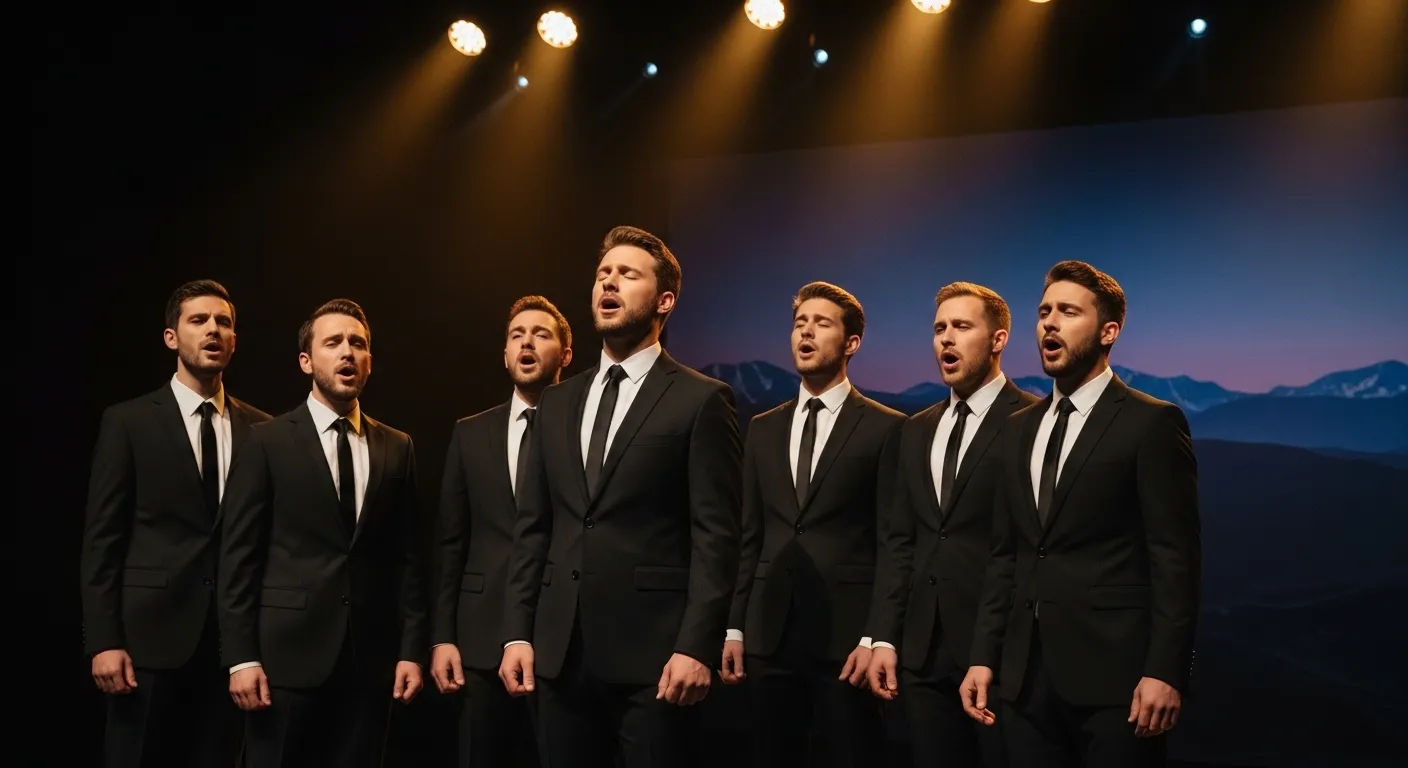
If you ever had the chance to see Leonard Cohen live (lucky you!), you know that dance to the end of love Leonard Cohen took on a whole new life in concert. As he aged, his voice got even deeper, even more weathered, like fine whiskey that's been aged in oak barrels for decades. His live performances of this song were almost religious experiences—there'd be this hush over the crowd, and then Cohen would launch into it with this quiet intensity that could silence a stadium. He'd often introduce it with a little story or joke, breakin' the tension before plunging everyone back into the emotional depths. Watching footage of his later tours, you can see how the song evolved—it became slower, more deliberate, like he was savorin' every syllable. And the audiences? They'd sway together, a sea of people dancing to the end of love Leonard Cohen had so beautifully articulated.
Cover Versions: Who Nailed It and Who Missed the Mark
Alright, let's talk covers. Over the years, dance to the end of love Leonard Cohen has been interpreted by dozens of artists, each bringin' their own flavor to the table. Jeff Buckley's version is all ethereal beauty, floatin' like smoke through a midnight sky. KD Lang brings this raw, emotional power that'll make you wanna hug your nearest loved one immediately. But here's the thing—no matter how good these covers are, they can't quite capture the essence of Cohen's original. There's somethin' about his world-weary delivery, the way he sounds like he's lived every single word, that makes his version irreplaceable. When you dance to the end of love Leonard Cohen wrote, you're gettin' the real deal—the unfiltered truth from the man himself. That said, explorin' different interpretations can be a beautiful journey, each one offerin' a new perspective on this timeless classic.
The Song's Place in Cohen's Broader Catalog
Where does dance to the end of love Leonard Cohen fit in the grand scheme of his work? Well, it's like the emotional centerpiece of his 1988 album I'm Your Man, which marked a significant shift in his sound. This was Cohen embracin' more contemporary production while maintainin' his poetic depth. Compared to earlier works like Songs of Leonard Cohen or Songs of Love and Hate, dance to the end of love Leonard Cohen feels more accessible, more immediate—like he's reachin' out across the decades to grab you by the collar and say, "Listen to this." It's also one of his most covered songs, which speaks to its universal appeal. Whether you're a die-hard Cohen fan or just discoverin' his music, this track serves as the perfect entry point into his vast, beautiful catalog.
Why This Song Resonates Across Generations
Here's the million-dollar question: why does dance to the end of love Leonard Cohen continue to speak to people decades after its release? Part of it's the timeless quality of the themes—love, mortality, beauty in darkness. But I think there's more to it than that. In a world that's constantly rushin', constantly demandin' our attention, this song offers a moment of stillness. It invites you to slow down, to really feel what you're feelin', to dance to the end of love Leonard Cohen style without worryin' about lookin' foolish. There's a certain bravery in that vulnerability, in allowin' yourself to be moved by art in such a profound way. And that's somethin' that resonates no matter what generation you're from, no matter what decade you're livin' in.
The Production Details That Make It Shine
Let's geek out about the technical stuff for a minute. The production on dance to the end of love Leonard Cohen is masterful in its restraint. John Lissauer knew exactly when to hold back and when to let the instrumentation swell. That violin—played by Raffi Armenian—doesn't just accompany the vocals; it converses with them, answerin' Cohen's lines with these aching, melodic phrases. The rhythm section is subtle but propulsive, creatin' this gentle pulse that makes you wanna sway even if you're sittin' down. And Cohen's voice? It's mixed front and center, like he's sittin' right across from you at a small table, tellin' you secrets he's never shared with anyone else. When you really listen to the details and let yourself dance to the end of love Leonard Cohen crafted, you start to appreciate the incredible craftsmanship behind what might seem like a simple song.
Where to Explore Next in Cohen's Universe
If dance to the end of love Leonard Cohen has opened up a whole new world for you, you're in for a treat. The journey through Cohen's catalog is one of the great adventures in music. Start with Dj Quickie Mart for a curated guide to his essential tracks, or dive into our Songwriting section for deep dives into his creative process. And if you're curious about what came after his passing, don't miss our article on 10 New Songs Leonard Cohen Posthumous Releases—it's a fascinating look at how his legacy continues to evolve even after his death. Because once you've experienced the magic of dance to the end of love Leonard Cohen, you'll want to explore every corner of his artistic universe.
Frequently Asked Questions
What is the best Leonard Cohen song for a funeral?
Many people choose "Hallelujah" for funerals because of its spiritual undertones and emotional resonance, but when considering the full scope of Leonard Cohen's work, "Dance Me to the End of Love" offers a particularly beautiful choice. The song's themes of love transcending even death, combined with its gentle, waltz-like rhythm, create a sense of peaceful acceptance. The lyrics "Dance me to your beauty with a burning violin" and "Dance me to the end of love" suggest a graceful transition rather than a tragic ending. For those looking to dance to the end of love Leonard Cohen style at a memorial service, this song provides both comfort and celebration of a life well-lived.
What is Leonard Cohen's most popular song?
While "Hallelujah" is undoubtedly Leonard Cohen's most commercially successful and widely recognized song—thanks in large part to Jeff Buckley's iconic cover and its use in countless films and TV shows—"Dance Me to the End of Love" holds a special place in his catalog. The song has become one of his signature pieces, frequently performed in concert and beloved by longtime fans. Its popularity stems from its accessibility combined with deep emotional resonance, making it the perfect entry point for newcomers wanting to dance to the end of love Leonard Cohen style. However, Cohen's influence extends far beyond any single song, with his entire body of work representing some of the most profound songwriting in modern music history.
Who sings the best version of Leonard Cohen's Hallelujah?
This is one of music's great debates! Jeff Buckley's version is often cited as the definitive cover, with its ethereal vocals and sparse arrangement capturing the song's spiritual essence. However, many argue that Cohen's own later performances—particularly from his 2008-2013 tours—represent the song's emotional peak, with his weathered voice adding decades of lived experience to the lyrics. Rufus Wainwright, KD Lang, and even Pentatonix have all created memorable interpretations. Ultimately, the "best" version depends on what you're seeking emotionally. But for those who appreciate Cohen's original vision and want to understand the depth behind songs like dance to the end of love Leonard Cohen, his own recordings remain the essential starting point.
What did Bob Dylan think of Leonard Cohen?
Bob Dylan held Leonard Cohen in extremely high regard, once famously stating that he considered Cohen one of the greatest songwriters of their generation. Dylan particularly admired Cohen's poetic approach to songwriting and his ability to blend literary sophistication with musical accessibility. In interviews, Dylan has mentioned being influenced by Cohen's willingness to explore spiritual and philosophical themes in popular music. This mutual respect between two giants of songwriting created a fascinating dialogue in modern music. Both artists shared a commitment to artistic integrity and a refusal to compromise their vision, qualities that make songs like dance to the end of love Leonard Cohen so enduring and powerful decades after their creation.
References
- https://www.rollingstone.com/music/music-lists/best-leonard-cohen-songs-1234567890
- https://pitchfork.com/reviews/albums/leonard-cohen-im-your-man-reissue
- https://www.npr.org/2016/11/11/501696583/leonard-cohen-a-life-in-music
- https://www.theguardian.com/music/2016/nov/11/leonard-cohen-obituary