Songs by Chris Kristofferson Country Poetry Collection
- 1.
“Sunday Mornin’ Comin’ Down” and the Birth of a Country Outsider
- 2.
“Me and Bobby McGee” – The Ballad That Belonged to Everyone (But Especially Janis)
- 3.
Kris Kristofferson as Ghostwriter for the Kings: Cash, Elvis, and the Art of Giving Away Gold
- 4.
The Highwaymen Era – When Four Legends Rode as One
- 5.
Why “Why Me” Became a Gospel Anthem Without Tryin’ To
- 6.
Chart-Toppers vs. Soul-Stirrers: Did Kristofferson Care About the Billboard?
- 7.
“For the Good Times” – The Breakup Song That Redefined Country Heartbreak
- 8.
The Pen as a Weapon: How Kristofferson’s Lyrics Challenged Country’s Safe Spaces
- 9.
From Oxford to Outlaw: The Unlikely Education of a Songwriting Legend
- 10.
The Enduring Whisper: Why New Generations Still Discover Kristofferson’s Work
Table of Contents
songs by chris kristofferson
“Sunday Mornin’ Comin’ Down” and the Birth of a Country Outsider
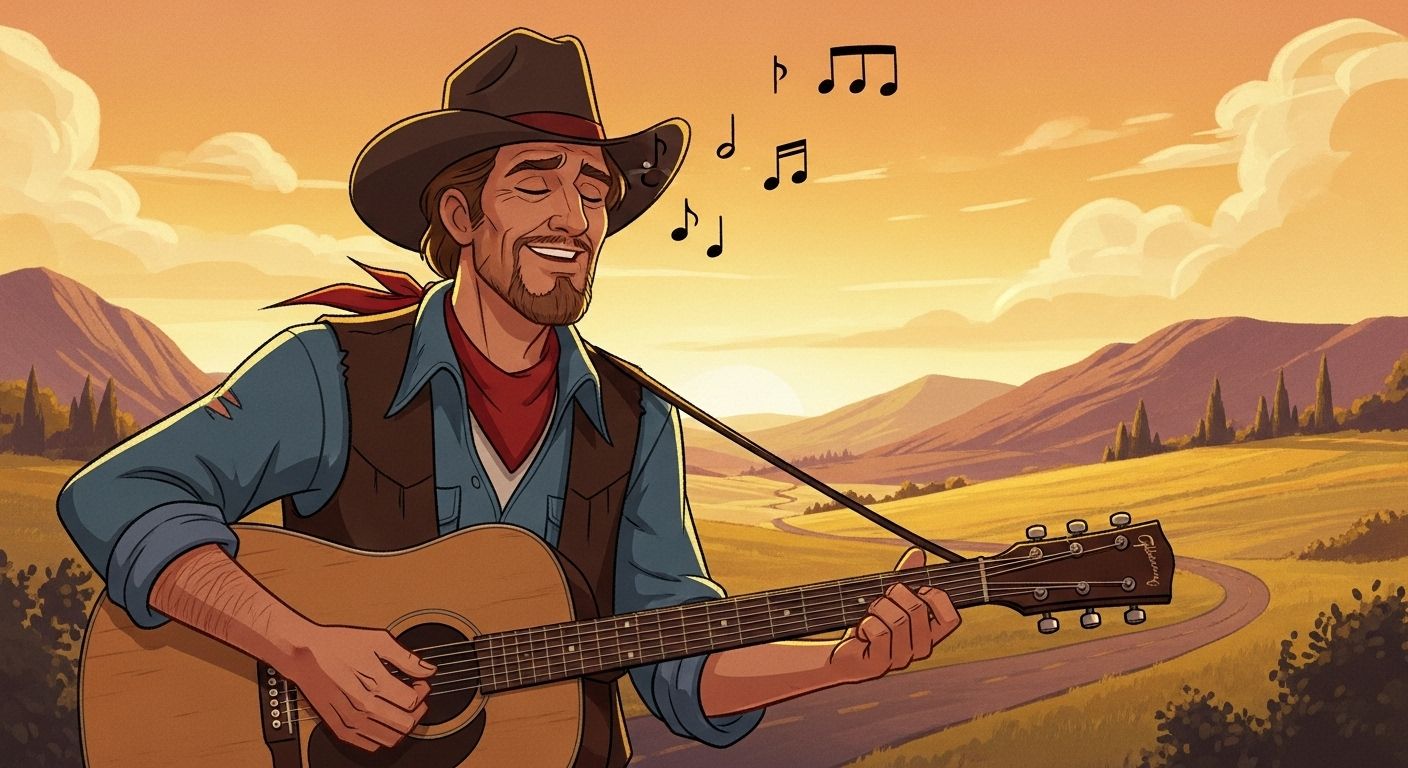
Ever wonder how a Rhodes Scholar-turned-helicopter-pilot ended up scribblin’ verses that’d shake the boots off Music Row? Well, honey, that’s the magic of songs by Chris Kristofferson—raw, whiskey-voiced poetry wrapped in denim and regret. Kris didn’t just write country songs; he wrote confessions. “Sunday Mornin’ Comin’ Down,” originally cut by Ray Stevens but immortalized by Johnny Cash, wasn’t just a song—it was a Sunday hangover with existential dread. You could smell the stale beer, feel the grit under your nails, hear the silence screaming louder than a Nashville guitar solo. And the craziest part? Kris wrote it while workin’ as a janitor at Columbia Records, mop in one hand, pen in the other. Now that’s commitment to the craft. Songs by Chris Kristofferson weren’t polished—they were lived-in, like your granddaddy’s work boots.
“Me and Bobby McGee” – The Ballad That Belonged to Everyone (But Especially Janis)
Ask a roomful of folks who owns “Me and Bobby McGee,” and you’ll get half a dozen answers—but the heart of it always beats in Kristofferson’s chest. Though Janis Joplin’s version became the definitive torch song—cracked, blue, and burning bright—Kris wrote it during a cross-country hitchhike with a woman named Billie Jean. Yep, not Bobby. Go figure. The songs by Chris Kristofferson often blurred truth and fiction like a dusty rearview mirror on a Georgia highway. “Me and Bobby McGee” ain’t just a road song—it’s a eulogy for freedom, love, and the kind of friendship you only find when you’ve got nothin’ left to lose. And don’t let the harmonica fool ya; beneath that folk-rock veneer lies a country soul. Every cover since? Just borrowin’ warmth from Kristofferson’s fire.
Kris Kristofferson as Ghostwriter for the Kings: Cash, Elvis, and the Art of Giving Away Gold
Here’s the tea: Kris Kristofferson didn’t just write songs by Chris Kristofferson for himself—he penned crown jewels for two of the biggest legends in music history. For Johnny Cash, he gave “Sunday Mornin’ Comin’ Down,” a tune so real it made prison walls weep. For the King himself, Elvis Presley, Kris handed over “Help Me Make It Through the Night,” a sultry, soul-baring prayer that topped the charts in 1970. Man, imagine bein’ so talented you could gift a hit like it’s loose change. These songs by Chris Kristofferson weren’t just songs—they were keys to other men’s legacies. And yet, Kris never seemed bitter about it. He knew the song mattered more than the singer. That’s the mark of a true songwriter: when your words outlive your voice.
The Highwaymen Era – When Four Legends Rode as One
Picture this: Johnny Cash, Willie Nelson, Waylon Jennings, and Kris Kristofferson sittin’ ‘round a campfire under a blood moon, swappin’ verses like bullets. That wasn’t just fantasy—that was The Highwaymen. And though the group leaned heavily on each member’s catalog, Kristofferson brought that cerebral grit that grounded their outlaw mythos. Tracks like “Desperados Waiting for a Train” (a Guy Clark tune he championed) and his own “Loving Her Was Easier (Than Anything I’ll Ever Do Again)” added emotional depth to their swagger. The songs by Chris Kristofferson in this era weren’t about shootouts—they were about the quiet ache after the gunsmoke clears. He was the poet in a posse of rebels, the thinker with a six-string. And y’all? We’re all better for it.
Why “Why Me” Became a Gospel Anthem Without Tryin’ To
By the late ‘70s, Kris was knee-deep in Hollywood fame—actin’, smokin’, romancin’—but somethin’ spiritual was stirrin’ underneath. Then came “Why Me,” a song born outta desperation after a night of drinkin’ and doubt. He scribbled it on a napkin, half-jokin’, half-prayin’. Next thing he knew, it was a #1 country hit and a staple in Sunday services from Nashville to Natchez. The beauty of songs by Chris Kristofferson like this one lies in their humility. No big choir, no fancy theology—just a man askin’ the sky, “Why me, Lord?” It resonated ‘cause it was honest. And in a genre full of polished piety, Kris offered something rare: real talk with the Divine.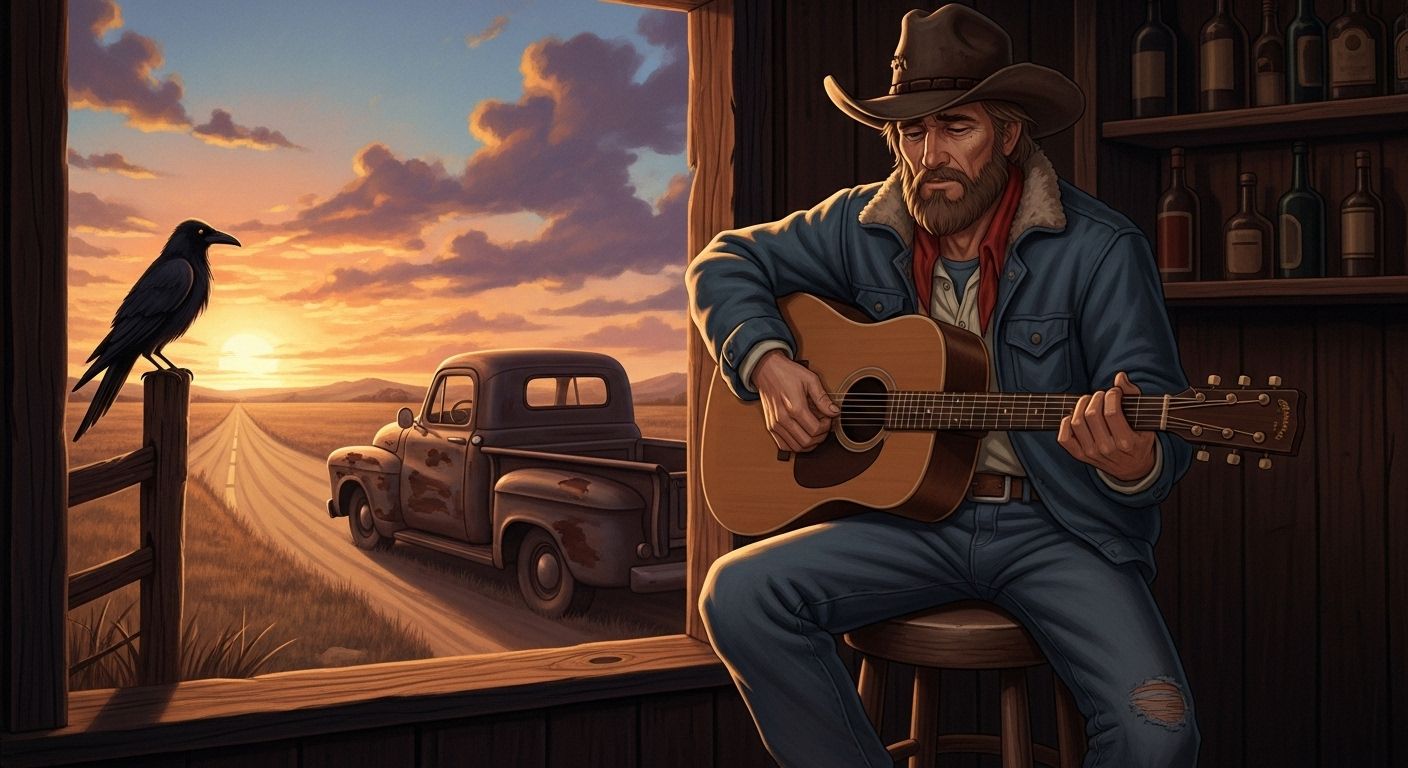
Chart-Toppers vs. Soul-Stirrers: Did Kristofferson Care About the Billboard?
Let’s cut through the noise: Kris Kristofferson only ever scored **one** solo #1 hit on the Billboard Hot Country Songs chart—“Why Me” in 1973. But hold up—don’t confuse chart success with cultural impact. The songs by Chris Kristofferson weren’t built for radio rotations; they were built for late-night drives with the windows down and your heart cracked open. While other writers chased trends, Kris chased truth. And truth don’t always wear a shiny badge. In fact, most of his biggest legacy pieces—“For the Good Times,” “Help Me Make It Through the Night”—topped the charts in other artists’ hands. Yet nobody sang ‘em quite like Kris. His voice sounded like gravel chewin’ on regret, and somehow, that was more honest than any polished tenor. So yeah, only one #1? Pfft. He had a hundred soul #1s.
“For the Good Times” – The Breakup Song That Redefined Country Heartbreak
If you’ve ever cried into a lukewarm beer after losin’ someone you still love, you’ve lived inside “For the Good Times.” Written by Kristofferson in his early Nashville days, this tune became Ray Price’s swan song to traditional country—and later, a template for every honest breakup anthem since. The genius of songs by Chris Kristofferson like this? They don’t blame. They don’t rage. They just… remember. “Don’t say a word about tomorrow,” he pleads, “let’s just be glad for what we had.” Man, that’s maturity wrapped in melody. And even though Kristofferson’s own version never topped charts, the emotional architecture of the song? Solid gold. Songs by Chris Kristofferson taught us that endings can be tender, not just tragic.
The Pen as a Weapon: How Kristofferson’s Lyrics Challenged Country’s Safe Spaces
Back when country music was all pickup trucks and sweet tea, Kris rolled in with verses about existential dread, sexual longing, and spiritual doubt. His songs by Chris Kristofferson didn’t play nice—they poked holes in the picket fence. “The Pilgrim, Chapter 33” wasn’t just a song; it was a manifesto for the misfit artists living on society’s edges. He sang about “walkin’ contradiction[s],” and ain’t that all of us? While others sang about heartache in tidy three-minute packages, Kris handed us messy, sprawling portraits of human complexity. That’s why purists side-eyed him, and why rebels worshipped him. The songs by Chris Kristofferson didn’t just break rules—they asked why the rules existed in the first place.
From Oxford to Outlaw: The Unlikely Education of a Songwriting Legend
Y’all ever met a guy with a master’s in English lit from Oxford who chose to scrub toilets so he could pitch songs to producers? That’s Kris Kristofferson. While his classmates climbed ivory towers, he dropped everything—military career, academic prestige, family expectations—to chase a dream only he could hear. And that background? It shows. The songs by Chris Kristofferson are laced with literary references, biblical allusions, and poetic devices most songwriters wouldn’t dare attempt. Yet he never sounded “fancy.” He made Shakespearean sorrow feel like a back-porch conversation. That’s the alchemy: highbrow craft dressed in lowdown honesty. No wonder songs by Chris Kristofferson feel like they’ve always existed—they’re that timeless.
The Enduring Whisper: Why New Generations Still Discover Kristofferson’s Work
Here’s the kicker—decades after his peak, young songwriters are still diggin’ through Kristofferson’s catalog like it’s buried treasure. Why? ‘Cause songs by Chris Kristofferson don’t age. They age *with* you. At 20, “Me and Bobby McGee” sounds like an adventure. At 40, it sounds like a goodbye. At 60, it’s a ghost. That’s the power of truth-telling. And if you’re just gettin’ into his world, start with the classics—but don’t stop there. Dive into the deep cuts. Heck, even his movie monologues feel like lost verses. For those wantin’ more, swing by the Dj Quickie Mart homepage—we’ve got stories that hit like a late-night chorus. Or browse our Songwriting section for more behind-the-lyric breakdowns. And if gospel grit’s your thing, don’t miss our deep dive into Kris Kristofferson Song Why Me Lord Gospel Anthem. The legacy’s alive, y’all—just gotta lean in and listen.
Frequently Asked Questions
What is Kris Kristofferson's biggest hit?
Kris Kristofferson’s biggest hit as a solo artist is “Why Me,” which reached #1 on the Billboard Hot Country Songs chart in 1973. Though he wrote many chart-toppers for others—like “Me and Bobby McGee” for Janis Joplin and “Help Me Make It Through the Night” for Sammi Smith—“Why Me” remains his only solo number one. The song’s raw, spiritual plea resonated deeply with audiences, cementing its place as one of the most powerful songs by Chris Kristofferson.
What song did Kris Kristofferson write for Johnny Cash?
Kris Kristofferson wrote “Sunday Mornin’ Comin’ Down” for Johnny Cash, who turned it into a defining track of his late-career renaissance. First released by Ray Stevens, Cash’s version—with its vivid imagery of loneliness, regret, and urban despair—became iconic. It’s widely considered one of the greatest songs by Chris Kristofferson ever recorded, and Cash’s delivery gave it a gravitas that still echoes through country music history.
What song did Kris Kristofferson write for Elvis?
Kris Kristofferson gave Elvis Presley “Help Me Make It Through the Night,” a sensual, vulnerable plea that became one of The King’s most emotionally honest recordings. Released in 1970 on the album *Love Letters from Elvis*, the track showcased a softer, more introspective side of Elvis—and proved that songs by Chris Kristofferson could cross genres while keeping their soul intact. The song was a commercial success, further proving Kristofferson’s gift for writing universal emotions into intimate lyrics.
How many number one hits did Kris Kristofferson have?
As a solo recording artist, Kris Kristofferson had just one #1 hit on the Billboard Hot Country Songs chart: “Why Me” in 1973. However, songs by Chris Kristofferson have topped the charts many times through other artists—like Ray Price’s “For the Good Times” and Sammi Smith’s “Help Me Make It Through the Night.” So while his personal chart stats look modest, his influence on country and popular music is immeasurable.
References
- https://www.rollingstone.com/music/music-features/kris-kristofferson-songwriter-legacy-1234567890/
- https://www.npr.org/2020/09/25/kris-kristofferson-oral-history-country-music/
- https://www.biography.com/musicians/kris-kristofferson
- https://www.billboard.com/artist/kris-kristofferson/chart-history/