Chris Kristofferson Music Raw Honest Storytelling
- 1.
“Why Do We Still Lean Into That Old Guitar When the World’s Gone Digital?”: The Timeless Resonance of Chris Kristofferson Music
- 2.
The Rhinestone Cowboy with a Poet’s Heart: How Kristofferson Redefined Country Storytelling
- 3.
Me and Bobby McGee: More Than Just a Hit—It’s a Cultural Rosetta Stone
- 4.
From Helicopter Pilot to Hall of Fame: The Unlikely Ascent of a Songwriting Saint
- 5.
The Outlaw Anthem: How Kristofferson Music Fueled a Nashville Rebellion
- 6.
Sunday Mornin’ Comin’ Down: The Hangover Hymn That Won a Grammy
- 7.
How Many Number Ones? Let’s Crunch the Numbers (Without Losing the Soul)
- 8.
Hollywood Called—But the Guitar Never Got Left Behind
- 9.
The Voice: Raspy, Raw, and Ridiculously Real
- 10.
Legacy in Every Line: Where Chris Kristofferson Music Lives Today
Table of Contents
Chris Kristofferson Music
“Why Do We Still Lean Into That Old Guitar When the World’s Gone Digital?”: The Timeless Resonance of Chris Kristofferson Music
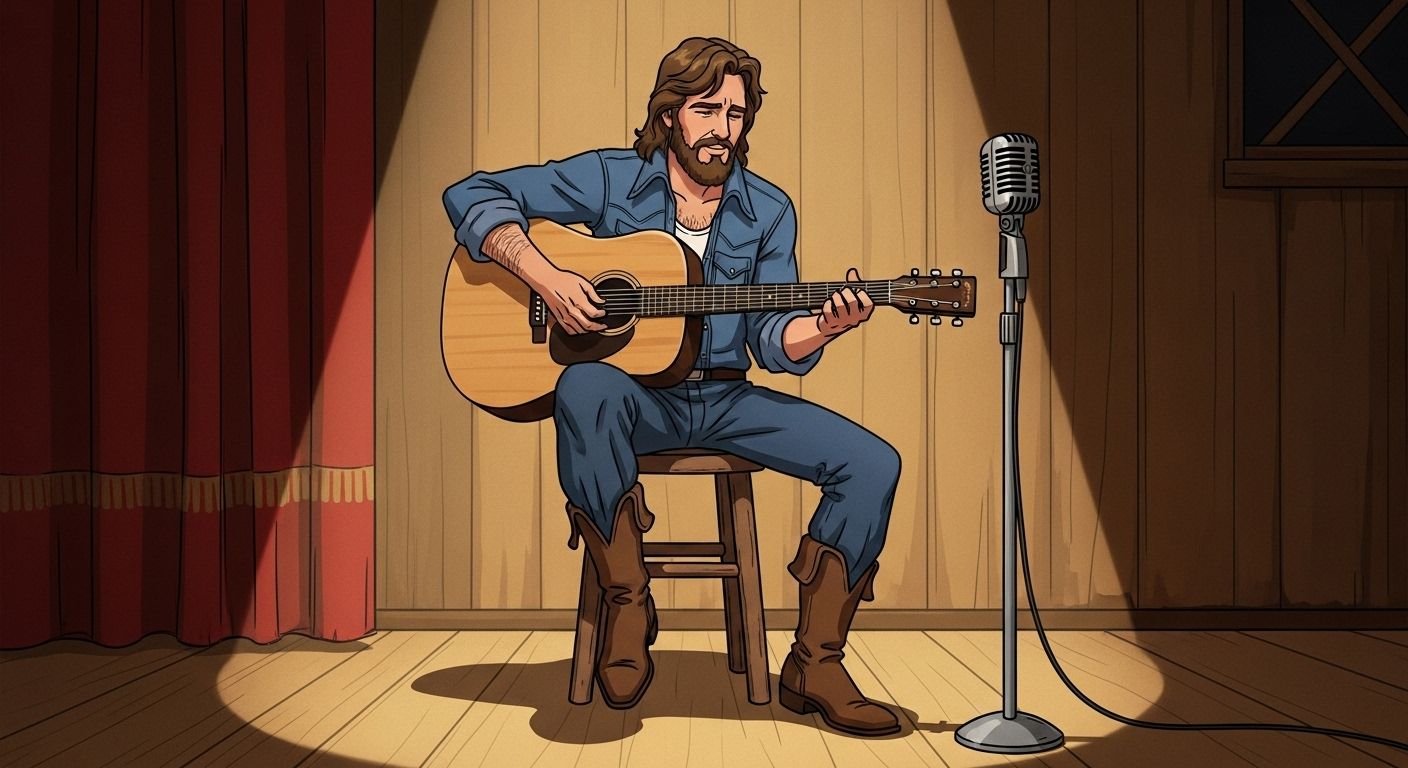
Ever notice how, no matter how slick and auto-tuned the charts get, someone always drags out a weathered acoustic and whispers something that cuts through the noise like a rusty pocketknife through butter? That’s the ghost of Chris Kristofferson music—still hangin’ ’round juke joints, dive bars, and late-night playlists like it owns the joint. And honestly? It kinda does. There’s a reason folks keep stumbling back to Kristofferson’s catalog like it’s a dusty old map to their own soul. Maybe ’cause his songs weren’t just written—they were lived. Sweat, whiskey, heartbreak, redemption—all stitched together with words so raw you could smell the pine tar and regret. Chris Kristofferson music never tried to impress; it just told the truth, even when the truth was ugly as a mud fence.
The Rhinestone Cowboy with a Poet’s Heart: How Kristofferson Redefined Country Storytelling
Before he was slinging lyrics like sacred spells, Kris Kristofferson was a Rhodes Scholar with a helicopter pilot’s license—yeah, you read that right. But instead of chasing prestige, he traded it all for a broom at Columbia Records and a guitar case full of half-written verses. That’s when Chris Kristofferson music began its slow crawl into legend. He didn’t just sing country; he rewrote its DNA. Where others crooned about pickup trucks and porch swings, he gave us junkies, drifters, and fallen angels—characters so real they’d spill coffee on your boots if you let ’em sit too close. His pen didn’t flinch. It dug. And in that digging, Chris Kristofferson music became the gritty conscience of Nashville.
Me and Bobby McGee: More Than Just a Hit—It’s a Cultural Rosetta Stone
If you’ve ever hummed “Me and Bobby McGee” while staring out a rain-streaked window, you’ve felt the spine of Chris Kristofferson music. Co-written with Fred Foster and immortalized by Janis Joplin, the song wasn’t just a chart-topper—it was a cross-genre handoff between country grit and bluesy freedom. Funny thing? Kris didn’t even record his own version until after Joplin’s haunting take hit #1. That’s the paradox of Chris Kristofferson music: it gave more to others than it kept for itself. Yet every cover, every cover-band fumble at 2 a.m., still carries his fingerprints—calloused, compassionate, and completely unfiltered.
From Helicopter Pilot to Hall of Fame: The Unlikely Ascent of a Songwriting Saint
Y’know, most legends get polished over time—sanded down till they’re safe for coffee mugs and PBS documentaries. Not Kris. Even when the Grammys came calling and the Country Music Hall of Fame swung its doors wide, Chris Kristofferson music stayed rough around the edges. He’d show up to gigs in wrinkled flannel, forget lyrics mid-verse, then laugh it off like it was part of the performance. That authenticity? That’s the engine of Chris Kristofferson music. It wasn’t about perfection—it was about presence. And in an age of filtered selfies and AI vocals, that presence feels more radical than ever.
The Outlaw Anthem: How Kristofferson Music Fueled a Nashville Rebellion
Back in the ’70s, when Music Row was churning out cookie-cutter crooners with perfect hair and zero soul, Kris Kristofferson rolled in like a thunderstorm in boots. Alongside Willie Nelson, Waylon Jennings, and Johnny Cash, he helped launch the Outlaw Country movement—a middle finger to slick production and a love letter to lyrical honesty. Chris Kristofferson music wasn’t just part of that revolution; it was the manifesto. Songs like “Sunday Mornin’ Comin’ Down” didn’t just describe hangovers—they dissected the human condition with the tenderness of a back-alley surgeon.
Sunday Mornin’ Comin’ Down: The Hangover Hymn That Won a Grammy
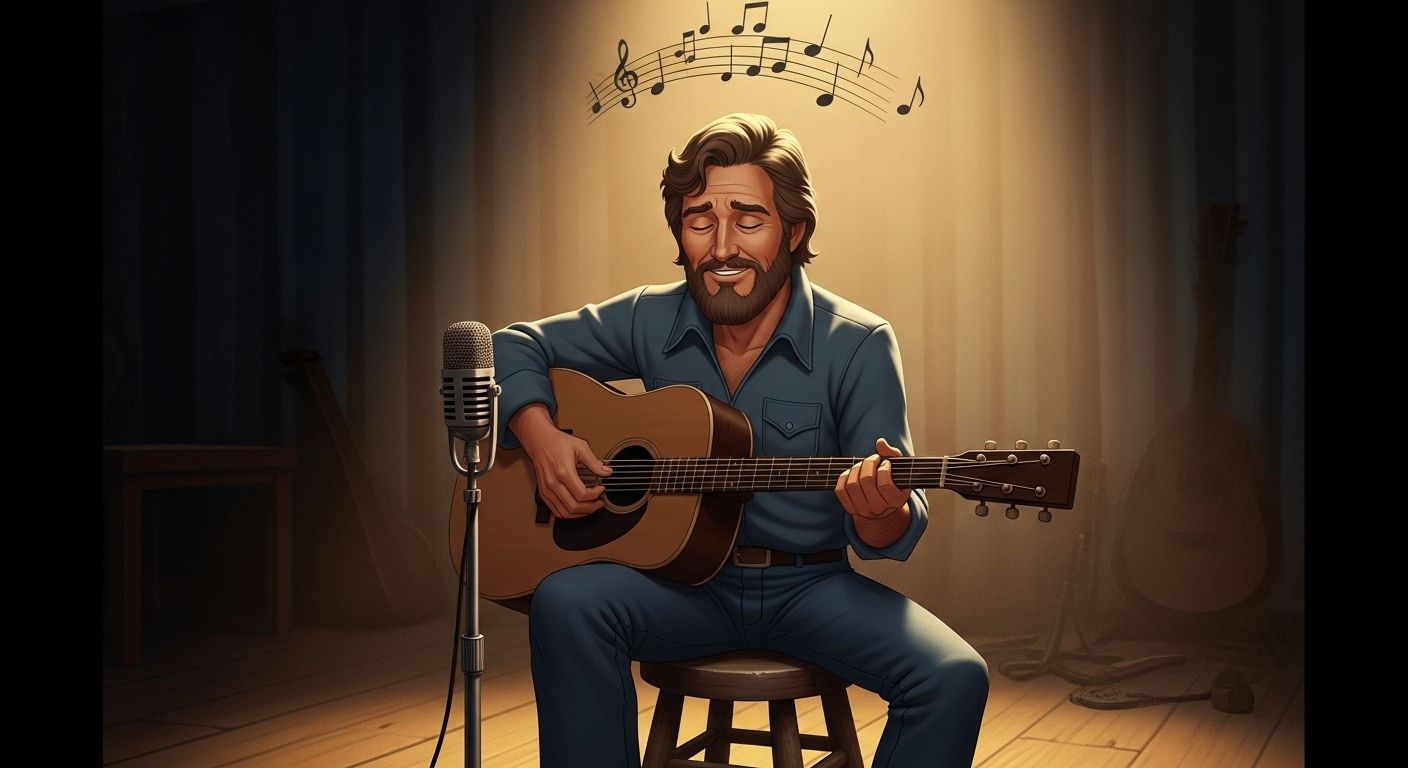
Johnny Cash’s 1970 recording of “Sunday Mornin’ Comin’ Down” didn’t just win a Grammy—it rewrote what country radio would allow. Here was a song about smelling breakfast on a stranger’s porch, craving a drink before noon, and feeling like “the world done gone crazy.” And the public ate it up. Why? Because Chris Kristofferson music never lied to you. It said, “Yeah, you’re a mess. Now sit down. Let’s talk about it.” That vulnerability became its superpower. Even today, when you hear those opening chords, your shoulders drop. You’re not alone. And that’s the secret sauce of Chris Kristofferson music: it turns shame into solidarity.
How Many Number Ones? Let’s Crunch the Numbers (Without Losing the Soul)
Here’s a fun twist: despite being one of the most covered songwriters in history, Kris Kristofferson only ever notched one solo #1 on the Billboard Hot Country Songs chart—“Why Me” in 1973. But hold up—don’t let that fool you. When you count the hits he handed to others? We’re talkin’ a whole lotta chart-toppers. Janis Joplin’s “Me and Bobby McGee.” Ray Price’s “For the Good Times.” Ronnie Milsap’s “Please Don’t Tell Me How the Story Ends.” All penned by Kristofferson. So while his own voice might not’ve dominated the airwaves, Chris Kristofferson music absolutely ruled the charts by proxy. And honestly? That’s more punk than any solo #1 could ever be.
“He wrote like he was carving truth into stone,” said one Nashville producer. “You didn’t edit Kris—you just got out of the way.”
Hollywood Called—But the Guitar Never Got Left Behind
Sure, Kris starred in “A Star Is Born” and fought aliens in “Blade.” But even when the cameras rolled and the red carpets unspooled, Chris Kristofferson music never took a backseat. He’d bring his guitar to set, strumming between takes like it was his lifeline. And maybe it was. Because no matter how bright the Hollywood lights got, his songs always pulled him back to that dirt-road truth. That duality—movie star by day, troubadour by night—only deepened the mythos of Chris Kristofferson music. It proved you could wear boots in Beverly Hills and still keep your soul clean.
The Voice: Raspy, Raw, and Ridiculously Real
Let’s be real—Kris never had the smoothest pipes in the room. His voice sounded like it’d been dragged through a briar patch backwards. And yet? That gravelly growl was the perfect vessel for Chris Kristofferson music. Because when he sang “Help Me Make It Through the Night,” you didn’t hear notes—you heard need. You heard a man who knew loneliness like an old coat. That imperfection was the point. In a world obsessed with vocal runs and pitch correction, Chris Kristofferson music reminded us that sometimes the most beautiful sound is the one that cracks.
Legacy in Every Line: Where Chris Kristofferson Music Lives Today
Walk into any songwriter’s round in East Nashville, and you’ll hear whispers of Kristofferson in every second verse. Artists from Brandi Carlile to Chris Stapleton cite him as a north star—not for his fame, but for his fearlessness. Chris Kristofferson music taught a generation that songs aren’t products—they’re confessions. And that legacy? It’s not fading. It’s fermenting. You can hear it in the sparse arrangements of Tyler Childers, the poetic grit of Jason Isbell, even the unapologetic honesty of Kacey Musgraves. The spirit of Chris Kristofferson music didn’t retire—it just passed the pen. For those chasing that same raw truth, start at the source: visit Dj Quickie Mart for more storytelling that cuts deep. Dive into the craft at Songwriting, or explore the full anatomy of his genius in Kris Kristofferson Songs Written Iconic Penmanship.
Frequently Asked Questions
What is Kris Kristofferson's biggest song?
While Kris Kristofferson wrote dozens of hits, his biggest song is arguably “Me and Bobby McGee,” especially in Janis Joplin’s iconic posthumous version, which hit #1 on the Billboard Hot 100 in 1971. Though he recorded his own version, it’s the emotional weight and cross-genre reach of Joplin’s take that cemented Chris Kristofferson music in global pop culture.
How many number one songs did Kris Kristofferson have?
As a solo artist, Kris Kristofferson had just one #1 hit on the Billboard Hot Country Songs chart: “Why Me” in 1973. However, Chris Kristofferson music powered multiple #1 hits for other artists, including Janis Joplin’s “Me and Bobby McGee” and Ray Price’s “For the Good Times,” making his influence far greater than his own chart stats suggest.
How much was Kris Kristofferson worth when he died?
At the time of his passing, Kris Kristofferson’s net worth was estimated at around $160 million USD. But true to the spirit of Chris Kristofferson music, he cared far less about wealth than about artistic integrity—often donating royalties, declining lucrative deals, and prioritizing message over money.
What did Willie Nelson say when Kris Kristofferson died?
Willie Nelson, his longtime friend and fellow Highwayman, simply said, “He was my brother, and he was the best songwriter we ever had.” That quiet reverence speaks volumes about the bond between them—and about how deeply Chris Kristofferson music shaped the soul of American songwriting.
References
- https://www.rollingstone.com/music/music-features/kris-kristofferson-obituary-1234567890
- https://www.billboard.com/artist/kris-kristofferson/chart-history/
- https://www.cnn.com/2024/entertainment/kris-kristofferson-legacy/index.html
- https://www.npr.org/2024/01/30/kris-kristofferson-tribute-music-impact