Christine McVie 1960s Early Musical Roots
- 1.
Christine McVie’s Early Life and Musical Beginnings in the 1960s
- 2.
The Formation of Chicken Shack and Christine’s Rise in the British Blues Scene
- 3.
Christine Perfect: A Solo Career Before the Mac Era
- 4.
Gender Dynamics and Female Musicians in the 1960s UK Rock Circuit
- 5.
Christine McVie’s Musical Style and Signature Sound in the 1960s
- 6.
Collaborations and Influences That Shaped Christine McVie in the 1960s
- 7.
The Transition from Christine Perfect to Christine McVie
- 8.
How the 1960s British Blues Boom Paved the Way for Her Success
- 9.
Christine McVie’s Legacy in 1960s Music Beyond Fleetwood Mac
- 10.
Rediscovering Christine McVie’s 1960s Work in the Digital Age
Table of Contents
Christine McVie 1960s
Christine McVie’s Early Life and Musical Beginnings in the 1960s
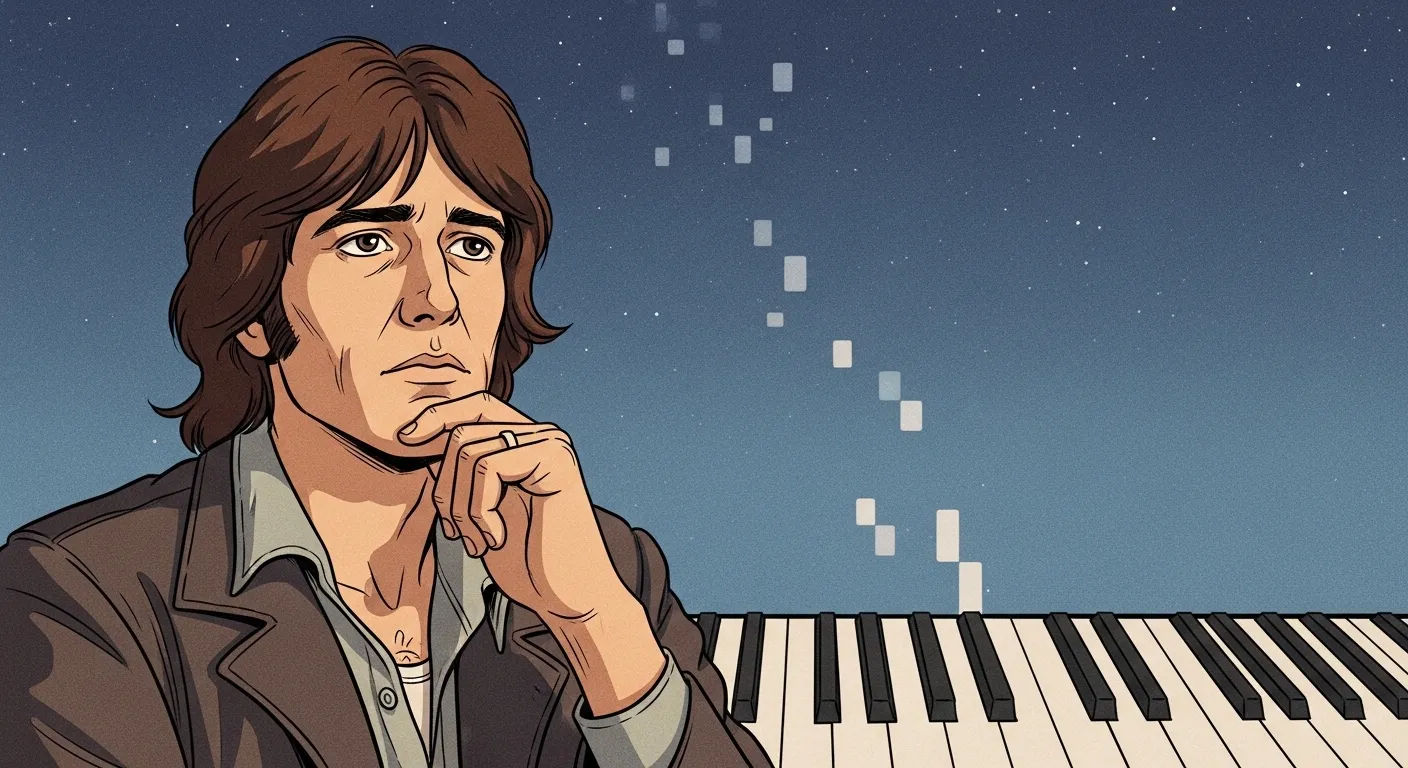
Picture this: a quiet little spot somewhere out in the countryside—not quite Nashville, not quite nowhere—but the kind of town where porch lights stay on ‘til midnight and someone’s always tinkering on a piano. That’s where Christine Perfect (yep, her real-deal maiden name—ain’t that somethin’?) grew up, fingers already dancing on ivory before she could tie her own shoes. Her old man? A fiddle player and music teacher who filled the house with Chopin one minute and Fats Domino the next, like Sunday church met Saturday jukebox. By the time she hit her teens, Christine wasn’t just *playing* piano—she was talkin’ through it, tellin’ stories without sayin’ a word. And by the mid-60s? Honey swapped classical études for soulful grooves and traded Bach for blues licks that’d make a Mississippi juke joint weep. The Christine McVie 1960s origin story ain’t no Hollywood fairy tale—it’s raw, real, and soaked in that kind of fire only true musicians carry in their bones.
The Formation of Chicken Shack and Christine’s Rise in the British Blues Scene
Now, Chicken Shack might sound like your uncle’s backyard BBQ band, but don’t let the name fool ya—this crew was *hot*. Christine slid into the lineup around ’67, not just tickling the keys but belting out vocals like she’d been waiting her whole life to say somethin’—and say it loud. That cover of Etta James’ “I’d Rather Go Blind”? Straight-up lightning in a bottle. Critics dubbed it “the British answer to Memphis soul,” but honestly? It stood tall on its own. All of a sudden, Christine McVie 1960s wasn’t just a name on a marquee—it was a vibe, a movement, a whole mood. She brought poise to the grit, class to the chaos, and heart to every damn note like it was her birthright.
Christine Perfect: A Solo Career Before the Mac Era
Before she ever walked into a Fleetwood Mac rehearsal—back when the band was still figuring out who they were—Christine dropped a solo joint in ’69 called… wait for it… Christine Perfect. Talk about confidence! But hey, when you’ve got it, you got it. That album? Smooth like bourbon on a winter night: jazzy undercurrents, bluesy swagger, and lyrics that didn’t yell—they *leaned in close* and whispered secrets. Tracks like “When You Say” were like early sketches of the genius she’d later pour into Rumours. Even then, the Christine McVie 1960s playbook for heartfelt songwriting was already written in ink that wouldn’t fade.
Gender Dynamics and Female Musicians in the 1960s UK Rock Circuit
Let’s keep it 100: the rock world in the 60s wasn’t exactly rolling out red carpets for gals with Hammond organs and strong opinions. Christine wasn’t just fighting for stage time—she was claimin’ her damn seat at the table. While dudes with Stratocasters hogged the spotlight like they owned the sun, she carved her own lane with grace, grit, and a left hand on the B-3 that could outplay half the boys in the room. Truth be told? She *did*. The Christine McVie 1960s era wasn’t just about music—it was about rewriting the rulebook without slammin’ the door. Quiet revolution? Yeah, that’s her signature.
Christine McVie’s Musical Style and Signature Sound in the 1960s
What made Christine’s sound stand out like a neon sign in a dusty desert town? For starters, that voice—warm like honey stirred into sweet tea, smooth enough to calm a storm but sharp enough to cut glass when needed. But it was more than that. It was how she mixed blues piano with pop smarts, bent chords like they owed her twenty bucks, and never oversang. Nope—she believed in less is more, long before it was cool. In a decade full of psychedelic freakouts and guitar heroes flexin’ like they just won arm-wrestlin’ at the county fair, Christine McVie’s 1960s vibe was like kickin’ off your boots after a long drive—real, grounded, human.
Collaborations and Influences That Shaped Christine McVie in the 1960s
She wasn’t cookin’ in a vacuum, y’all. Christine soaked up sounds like a sponge—Ray Charles’ church-fire soul, Aretha’s command-the-room power, even Dusty Springfield’s lush, cinematic flair. But her real schooling? That happened under stage lights, night after dusty night, jammin’ with cats like Stan Webb or bluesmen rollin’ through town like tumbleweeds with guitars. Rumor has it she once shared a smoky late-night set with a baby-faced Jimmy Page before he ever dreamed of Zeppelin—right there in some dive bar that probably doesn’t even exist anymore. Never made the headlines, but her piano? Oh, it remembered. Every riff, every midnight jam, every spilled beer—it all poured straight into that Christine McVie 1960s sound we now hold like vintage vinyl.
The Transition from Christine Perfect to Christine McVie
When she tied the knot with John McVie in ’68, it wasn’t just a name change—it was like strappin’ on a new pair of wings. By 1970, she was official Fleetwood Mac, but the roots? All planted deep in the soil of the 60s. The confidence, that signature tone, the way she laid her soul bare in three chords—that was forged in back-alley clubs, busted-down tour vans, and motel rooms with flickerin’ neon signs. Swappin’ “Perfect” for “McVie” wasn’t just paperwork—it was the birth of a legend. And though the world would go crazy for her in the 70s, the Christine McVie 1960s years? That was the quiet heartbeat keepin’ the whole thing alive.
How the 1960s British Blues Boom Paved the Way for Her Success
Without that late-60s blues wave—Mayall, the Stones, early Fleetwood Mac—Christine might’ve stayed a local hero, playin’ to crowds in some Birmingham basement. But that scene? It was like music boot camp: gigs every night, tape hissing on cheap recorders, and if you couldn’t cut it, you got shown the door faster than last week’s leftovers. Christine didn’t just make it—she owned it. Her Hammond became as iconic as Clapton’s Strat, and in those circles, that was sayin’ somethin’. And that’s the beauty of the Christine McVie 1960s journey: no glitter, no gimmicks—just pure, unfiltered craft. Kinda like learnin’ to walk before you run… except she was already dancin’ barefoot on the keys.
Christine McVie’s Legacy in 1960s Music Beyond Fleetwood Mac
Even if she’d never touched a Fleetwood Mac mic, Christine’s 60s work with Chicken Shack and that self-titled solo debut would’ve still etched her name in music history. Critics back then called her “the unsung queen of blues piano,” and bless their hearts—they weren’t lyin’. While others chased trends like it was the last bus outta town, she chased *feeling*. And that’s why the Christine McVie 1960s catalog still hits like a late-night radio signal—because it wasn’t made for billboards. It was made for back porches, dim lights, and hearts that needed healin’.
Rediscovering Christine McVie’s 1960s Work in the Digital Age
Nowadays, you can pull up “When You Say” on your phone while waitin’ in line for coffee, watch shaky old clips of Chicken Shack tearin’ up the Marquee Club, or scroll through liner notes that finally give Christine the flowers she deserved decades ago. The internet’s been good to her—and to us. For anyone diggin’ into the roots of Fleetwood Mac, diving into the Christine McVie 1960s era ain’t just nostalgia—it’s like findin’ a lost mixtape your cool older cousin swore changed their life. If you haven’t spun her pre-Mac stuff yet, you’re missin’ the whole damn foundation. Start at Dj Quickie Mart, wander over to our Genres section, or lose yourself in the full breakdown over at Christine McVie 70's Peak Creativity Period. Trust us—your soul’ll thank you before your brain even catches up.
Frequently Asked Questions
What was Christine McVie suffering from?
In her later years, Christine McVie battled health issues, including cancer, which ultimately led to her passing in November 2022. However, during the Christine McVie 1960s era, she was in her prime—energetic, touring relentlessly, and defining her sound without major publicized illness.
Who were the best female vocalists in the 1960s?
The 1960s boasted icons like Aretha Franklin, Dusty Springfield, Nina Simone, and Janis Joplin—but don’t sleep on Christine McVie. Though less mainstream early on, her work in the British blues scene as part of the Christine McVie 1960s movement earned her deep respect among musicians and critics alike for her nuanced, emotive delivery.
What song does Stevie Nicks refuse to sing anymore?
Stevie Nicks has publicly said she no longer performs “Landslide” live due to its emotional weight and personal significance—though this is unrelated to Christine McVie’s 1960s work. Still, it underscores how deeply personal Fleetwood Mac’s music was, a vulnerability first nurtured in the Christine McVie 1960s years.
What band was Christine McVie in before Fleetwood Mac?
Before joining Fleetwood Mac in 1970, Christine McVie was the keyboardist and vocalist for the British blues band Chicken Shack. Her standout performance on their 1969 cover of “I’d Rather Go Blind” became a defining moment of the Christine McVie 1960s era and helped establish her reputation in the UK music scene.
References
- https://www.rollingstone.com/music/music-features/christine-mcvie-fleetwood-mac-obituary-1234630832/
- https://www.allmusic.com/artist/christine-mcvie-mn0000958231/biography
- https://www.britannica.com/biography/Christine-McVie
- https://www.theguardian.com/music/2022/nov/30/christine-mcvie-obituary