Christine McVie 70's Peak Creativity Period

- 1.
“Did She Just Cast a Spell with a Piano?”—Unpacking Christine McVie’s Sonic Alchemy in the 1970s
- 2.
Before Fleetwood Mac: The Early Days of Christine Perfect in John Mayall’s Blues Breakers
- 3.
Fleetwood Mac’s 1975 Self-Titled Album: The Catalyst That Redefined Christine McVie’s Legacy
- 4.
“Don’t Stop” and Other Sunny Lies: The Emotional Duality in Christine McVie’s 70s Songwriting
- 5.
The Rumours Sessions: Christine McVie Holding the Band Together One Chord at a Time
- 6.
Keyboard vs. Guitar: How Christine McVie Redefined the Role of Women in Rock Instrumentation
- 7.
Collaborative Tension: The Creative Friction Between Christine McVie and Stevie Nicks
- 8.
Chart-Toppers and Quiet Triumphs: The Commercial Success of Christine McVie’s 70s Output
- 9.
Beyond the Studio: Christine McVie’s Lifestyle and Retreat from the Spotlight in the Late 70s
- 10.
Legacy in Vinyl Cracks: Why the Christine McVie 70's Still Resonate with New Generations
Table of Contents
Christine McVie 70's
“Did She Just Cast a Spell with a Piano?”—Unpacking Christine McVie’s Sonic Alchemy in the 1970s
Ever heard a tune that hits your soul like cold beer on a sweltering Georgia porch? That’s Christine McVie in the Christine McVie 70's era—where every chord wasn’t just played, it was *breathed* into existence. Back then, California wasn’t just palm trees and convertibles rollin’ down Sunset; it was where British blues kissed West Coast dreams under a hazy full moon. And Christine? Girl was the calm in the middle of the freakin’ hurricane. While dudes were busy shreddin’ solos like their lives depended on it, she was weaving harmonies so soft they could lull a rattlesnake to sleep. Her voice—low, smoky, like late-night AM radio—became the quiet pulse of Fleetwood Mac through their messiest, most glorious decade. The magic of the Christine McVie 70's wasn’t in how loud she sang—it was in how real she let herself be. She never yelled for the spotlight; she just hummed, and y’all leaned closer like, “Wait… say that again.”
Before Fleetwood Mac: The Early Days of Christine Perfect in John Mayall’s Blues Breakers
Before “McVie” rolled off rock fans’ tongues like gospel, she was Christine Perfect—yep, that was her actual name, and honestly? Felt like fate smirkin’. She cut her teeth on keys with John Mayall & the Blues Breakers, back when London pubs smelled like sweat, whiskey, and ambition. Picture it: ‘67, Marshall stacks howlin’ like banshees, cigarette smoke hangin’ low, and this art school girl ticklin’ those ivories like they skipped out on their tab. That chapter? Crucial. ‘Cause that’s where the Christine McVie 70's sound got its backbone—equal parts blues grit and butter-smooth melody. She wasn’t just “the keyboard chick”; she was the damn rudder. When she joined Fleetwood Mac in 1970 and took the McVie name, she didn’t just change her last name—she rewrote the whole damn dictionary of rock piano. That blues foundation? It gave the Christine McVie 70's its soul, but never lost its class—like wearin’ cowboy boots with a silk dress.
Fleetwood Mac’s 1975 Self-Titled Album: The Catalyst That Redefined Christine McVie’s Legacy
Alright, let’s be crystal clear: that 1975 Fleetwood Mac album dropped like a love letter sealed with tears and hope. And right there in the center? Christine McVie with “Say You Love Me” and “Over My Head”—songs so smooth, they could slide right off a vinyl record and into your bloodstream. This wasn’t just another album; it was the big bang of the Christine McVie 70's renaissance. Critics called it “a sonic reboot”; fans called it therapy. For us? It was Christine finally ownin’ her lane like, “Yeah, this is my house now.” She wrote, sang, and played like she’d been waitin’ her whole life for Lindsey, Stevie, John, and Mick to show up—and honey, did she deliver. The Christine McVie 70's identity didn’t just get shaped here; it got carved into gold records and rainy-day playlists from Brooklyn to Berkeley.
“Don’t Stop” and Other Sunny Lies: The Emotional Duality in Christine McVie’s 70s Songwriting
“Don’t Stop” sounds like your best friend handin’ you coffee and sayin’, “Hey, it’s gonna be alright,” right? Bouncy piano, major chords, sunshine lyrics. But plot twist: she wrote that while the whole band was crumblin’ like stale Cornbread—breakups, betrayals, all that messy human drama. That’s the beauty of Christine McVie in the Christine McVie 70's—she wrapped heartbreak in a yellow ribbon. Stevie sang about crystal visions and Rhiannon ridin’ on the wind; Christine? She gave you optimism with a wink, like, “Sure, tomorrow’s bright… but bring an umbrella just in case.” That mix of hope and honesty? That became her signature. Every Christine McVie 70's track felt like a handwritten note you kept in your wallet—real talk, but never cynical.
The Rumours Sessions: Christine McVie Holding the Band Together One Chord at a Time
If Rumours was a Southern summer storm—hot, humid, and full of lightning—then Christine McVie was the porch swing that kept everybody grounded. While relationships imploded (Lindsey and Stevie? Over. John and Christine? Also over.), the band kept layin’ down tracks like professionals with broken hearts. And Christine? She dropped “You Make Loving Fun,” “Songbird,” and co-wrote “Don’t Stop” like it was just another Tuesday in Sausalito. The Christine McVie 70's era peaked right here: raw as hell, polished like marble. Think about it—livin’ through emotional wreckage, yet she made songs that felt like satin sheets. That’s the magic of the Christine McVie 70's: turning pain into something you wanna play at your wedding.
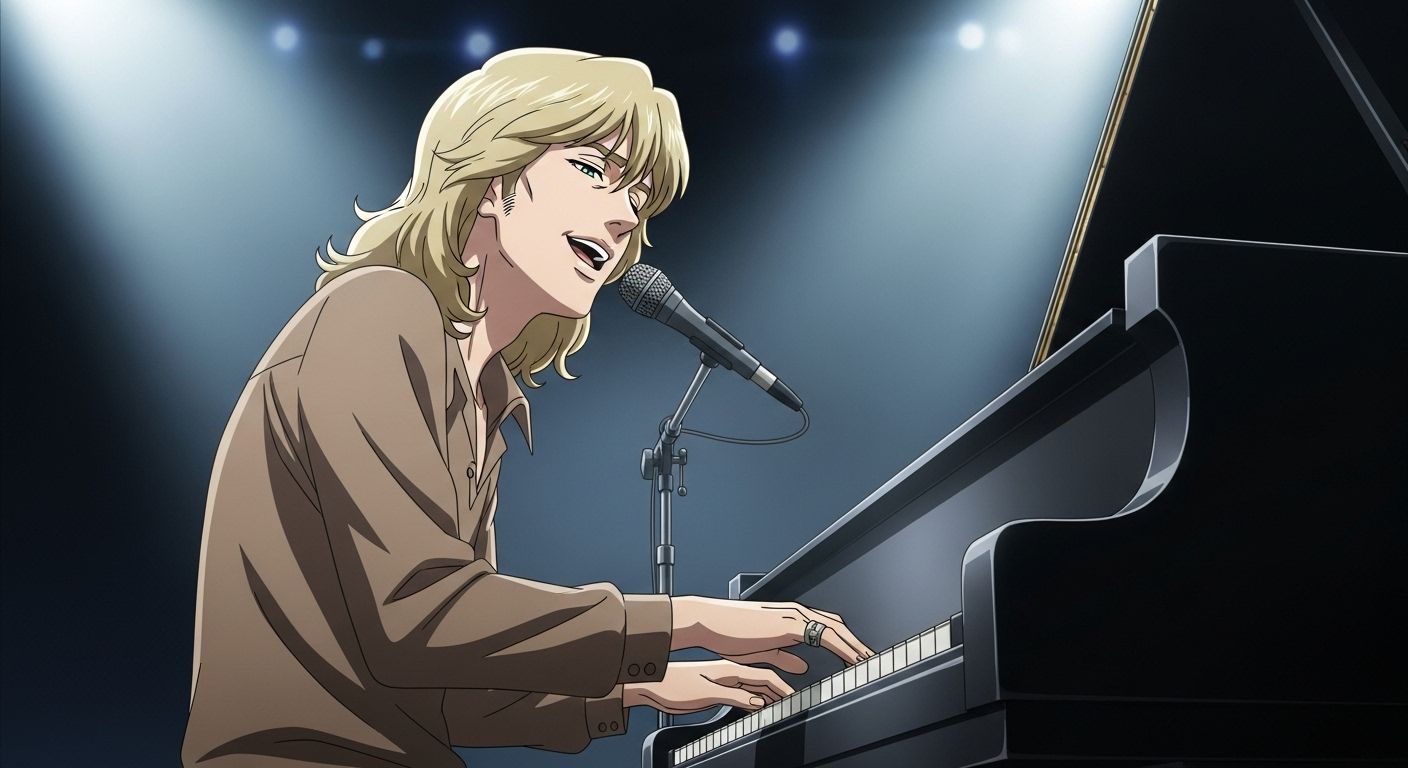
Keyboard vs. Guitar: How Christine McVie Redefined the Role of Women in Rock Instrumentation
Back in the Christine McVie 70's, rock stages were ruled by guitar slingers with hair bigger than their egos. But Christine? She parked herself behind her Fender Rhodes like, “Y’all go wild—I’ll hold down the damn universe.” Her keyboard work wasn’t flashy; it was *essential*. She didn’t need to solo like a banshee—she built whole sonic worlds with one clean arpeggio. While the boys chased distortion, she gave us depth. And in doing so, she flipped the script on what a woman in rock could be: not just a voice, not just a face—but the architect of the vibe. The Christine McVie 70's legacy? It cleared space for every piano-poundin’ dreamer who refused to be background noise.
Collaborative Tension: The Creative Friction Between Christine McVie and Stevie Nicks
Let’s keep it 100—Christine McVie and Stevie Nicks were the ultimate odd couple in stilettos. Stevie floated in on incense clouds talkin’ about gypsy queens; Christine stayed grounded, scribblin’ chord charts over black coffee. Their creative tension during the Christine McVie 70's wasn’t toxic—it was electric. Like fire and water: one gave the band wings, the other gave it roots. Christine’s songs were the anchor; Stevie’s were the sails. And that balance? That’s why Rumours didn’t just top charts—it became a time capsule. The Christine McVie 70's sound needed that push-pull to feel fully human: messy, magical, and achingly real.
Chart-Toppers and Quiet Triumphs: The Commercial Success of Christine McVie’s 70s Output
Critics lost their minds, but the charts? They bowed down. “Over My Head” hit No. 20. “Say You Love Me” climbed to No. 11. “Don’t Stop”? Shot straight to No. 3 and later became Bill Clinton’s ‘92 campaign anthem—proving Christine’s tunes could soundtrack both heartbreak and victory laps. But here’s the kicker: she never chased fame. She chased *feeling*. And somehow, that authenticity sold millions. The Christine McVie 70's proved you didn’t need pyrotechnics to dominate—you just needed truth wrapped in a killer melody. Softness, it turns out, could hit harder than any power chord.
“She played like she knew the future would listen.”
—Anonymous studio engineer, Sausalito, 1976
Beyond the Studio: Christine McVie’s Lifestyle and Retreat from the Spotlight in the Late 70s
Even at the height of the Christine McVie 70's fame, she wasn’t livin’ like a tabloid headline. No trashed limos, no midnight meltdowns—just a quiet flat, a well-worn sweater, and a pot roast simmerin’ on Sunday. By the late ‘70s, she’d started pullin’ back, not ‘cause she was burnt out, but ‘cause she knew her limits. “I’m not built for the circus,” she once said—and bless her heart, that self-awareness made her music feel like a safe harbor. In a world of glitter and chaos, Christine offered stillness. Her retreat wasn’t retreatin’—it was *choosing peace*. And that calm? It seeped into every Christine McVie 70's recording, givin’ it that rare, lived-in warmth you can’t fake.
Legacy in Vinyl Cracks: Why the Christine McVie 70's Still Resonate with New Generations
Here’s the tea: the Christine McVie 70's never really clocked out. Gen Z’s cry-listenin’ to “Songbird” like it’s a therapy session. Bedroom producers sample her progressions like they’re sacred texts. And yeah, even Dj Quickie Mart keeps her on heavy rotation between midnight and sunrise. Her 70s work wasn’t just of its time—it *transcended* time. Whether you’re nursing heartbreak in a Brooklyn walk-up or watchin’ rain blur the LA skyline, there’s a Christine McVie 70's song that fits like your favorite denim jacket. Wanna dive deeper? Swing by the Genres section—or better yet, peek into the final hours of another legend in Letterman Warren Zevon Final Interview Insight.
Frequently Asked Questions
What was Christine McVie suffering from?
During her later years, Christine McVie was reportedly battling cancer, which ultimately led to her passing in November 2022. However, throughout the Christine McVie 70's peak era, she navigated intense emotional turmoil—breakups, band drama, and industry pressure—yet channeled it all into her songwriting with remarkable resilience.
Which song does Stevie Nicks refuse to sing?
Stevie Nicks has famously refused to perform “Silver Springs” live for years—a song written during the Christine McVie 70's Rumours sessions, though not included on the original album. The track was her emotional response to her breakup with Lindsey Buckingham, and its rawness made it too painful to revisit—until much later in her career.
What was Fleetwood Mac's hit in 1975?
Fleetwood Mac’s 1975 self-titled album (often called “The White Album”) launched multiple hits, but the standout singles from the Christine McVie 70's era were “Over My Head” and “Say You Love Me.” Both showcased her signature blend of melodic elegance and emotional clarity, helping the album hit No. 1 on the Billboard 200.
What band was Christine McVie in before Fleetwood Mac?
Before joining Fleetwood Mac, Christine McVie (then Christine Perfect) was the keyboardist and vocalist for John Mayall & the Blues Breakers. Her time with the band in the late 1960s laid the groundwork for her blues-infused style that would blossom in the Christine McVie 70's recordings with Fleetwood Mac.
References
- https://www.rollingstone.com/music/music-news/christine-mcvie-fleetwood-mac-dead-1234623577/
- https://www.bbc.com/news/entertainment-arts-63721335
- https://www.britannica.com/biography/Christine-McVie
- https://www.npr.org/2022/11/30/1140206514/christine-mcvie-fleetwood-mac-dead